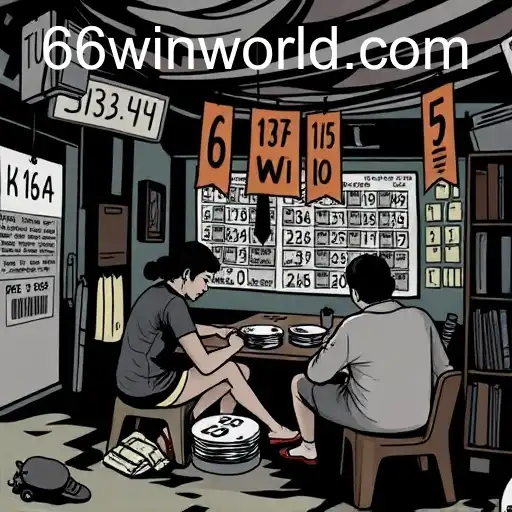
Understanding Jueteng: The Controversial Numbers Game
Jueteng is an entrenched part of everyday life in many parts of the Philippines, offering a fascinating yet controversial window into the country's cultural and socio-political landscape. Despite numerous efforts to eradicate or legalize it, Jueteng continues to thrive, often in clandestine operations or under the guise of more sanctioned activities. With the rise of online platforms, keywords like '66win' have emerged, hinting at the modern permutations of this traditional numbers game.
What is Jueteng?
The game itself is simple. Jueteng is a numbers game that involves a local bet collector known as the 'kubrador', who gathers wagers from players in neighborhoods. Participants bet on a pair of numbers, usually ranging from one to thirty-seven. Once the bets are collected, the winning combination is drawn, and those who selected the correct numbers win a cash prize. The finance model operates on a small scale, enabling widespread daily participation.
The Cultural Embedding of Jueteng
Jueteng has been deeply embedded in Filipino society for decades, transcending socio-economic barriers and becoming part of the daily routine in some communities. Its endurance can be attributed to various factors, including cultural acceptance, a lack of alternative recreational options, and economic motivations for both players and organizers. The allure of a fast, albeit risky, cash return makes it attractive, especially in economically disadvantaged areas.
Political Ties and Corruption
One of the most controversial aspects of Jueteng is its intricate connection to political corruption. Throughout history, many politicians have been implicated in scandals involving Jueteng operations. At times, these games have been used as a conduit for funneling illicit funds into political campaigns or personal accounts. This enmeshment complicates eradication efforts, as political willpower is often undermined by vested interests.
Legal Attempts and Pushbacks
The Philippine government has made several attempts to control or eliminate Jueteng through law enforcement crackdowns and legal reforms. However, these efforts have been met with limited success. Local governments in some regions have even suggested legalization, similar to how the PCSO (Philippine Charity Sweepstakes Office) manages lotto games. Legalization talks have sparked heated debates, with arguments focusing on moral considerations and the game's potential to generate public revenue.
66win: A Digital Evolution
In contemporary times, Jueteng has seen a digital transformation, adapting to the ever-evolving landscape of online gambling. Keywords like '66win' have become popular within these circles, representing new online platforms that promise similar betting experiences with enhanced accessibility. The shift to digital platforms presents regulatory challenges, as these can often operate beyond the reach of traditional law enforcement.
Social Impact and Community Dynamics
Despite its contentious nature, Jueteng plays a social role in the communities where it is prevalent. In many towns, the game weaves a network from which many derive a sense of belonging and identity. Furthermore, small winnings from Jueteng can make tangible differences in the lives of individuals, providing funds for daily necessities. However, the social cost is significant, as addiction and financial ruin are realities for some players.
The Future of Jueteng
The future of Jueteng remains uncertain, situated at the crossroads of tradition and modernity, legality and crime. While some advocate for its recognition and regulation, others demand stricter enforcement of anti-gambling laws. As the digital age ushers in new iterations under varying guises like '66win', the discussion surrounding Jueteng is likely to intensify, reflecting broader issues on governance and socio-economic equity. The outcome of these ongoing debates will significantly influence not only the fate of Jueteng but also the broader landscape of gambling within the Philippines.